
The short answer
An electric car costs more to buy and much less to run. If you drive 30 km or more a day and can charge at home, it usually works out cheaper over a few years, especially in Delhi, where electric cars pay no road tax until 31 March 2030. If you drive very little, cannot charge where you park, or your budget is below ₹15 lakh, petrol is still often the better choice.
What you save on fuel
| Distance a day | Petrol a year | Electric a year | You save a year |
|---|---|---|---|
| 20 km | ₹58,000 | ₹9,000 | ₹49,000 |
| 40 km | ₹1,16,000 | ₹18,000 | ₹98,000 |
| 60 km | ₹1,73,000 | ₹27,000 | ₹1,46,000 |
| 80 km | ₹2,31,000 | ₹36,000 | ₹1,95,000 |
Assumptions: petrol ₹95 a litre at 12 km/l; home charging ₹8 a unit at 6.5 km/kWh. Energy cost only. Your numbers will differ, so use the calculator on the ownership page.
What you pay upfront
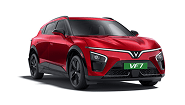
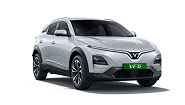
- Purchase price. An electric car costs more than a petrol car of the same size. VinFast starts at ₹18.19 lakh ex-showroom.
- Road tax and registration. In Delhi, an electric car up to ₹30 lakh pays none until 31 March 2030. A petrol car pays full road tax.
- Scrappage. Scrapping an old vehicle when you buy a new electric car can earn a ₹1 lakh incentive in Delhi, subject to eligibility.
- Home charger. A 7.4 kW charger with installation costs ₹47,000 in our Delhi on-road quote.
Maintenance and resale
An electric car has no engine oil, spark plugs or clutch to service, so routine maintenance is usually cheaper. We explain what still needs servicing. On resale, the electric car market is newer, so values are less certain. VinFast offers an assured buyback of 75% of the ex-showroom price after two years, falling to 55% after five, for eligible retail purchases (conditions apply).
When petrol still makes sense
- You drive fewer than about 15 km a day, so fuel savings are small.
- You have no parking spot where you can install or share a charger.
- You regularly drive long distances in areas with few fast chargers.
- You need a car below about ₹10 lakh.
When electric wins
- You drive 30 km or more a day in the city.
- You can charge at home or at work.
- You live and register the car in Delhi.
- You keep your cars for five years or more.
What about CNG and diesel?
CNG is cheaper to run than petrol, but an electric car is cheaper still, and does not need a fuel stop. Delhi also restricts older diesel (over 10 years) and petrol (over 15 years) vehicles. Electric cars are not subject to the age limits.
Frequently asked questions
Is it cheaper to run an electric car than petrol?
Yes. At 40 km a day, charging at home costs roughly ₹18,000 a year against about ₹1,16,000 for petrol, on our assumptions. Public charging costs more, but VinFast owners charge free at V-Green stations until 31 March 2029.
Should I buy a petrol car in 2026?
If you drive very little, cannot charge at home, or have a tight budget, petrol can still be the right choice. If you drive daily and can charge at home, an electric car is worth a test drive.
Keep reading
Electric cars in Delhi: prices, range and road tax in 2026
What an electric car costs in Delhi, how far it goes, where to charge and what you save.
Read the guide → OwnershipElectric car maintenance cost in India: what changes, what doesn't
What an electric car does not need, what it still needs, and what VinFast covers.
Read the guide → Delhi EV policyDelhi EV Policy 2026: road tax, registration and scrappage benefits
₹0 road tax and registration until 2030, and a ₹1 lakh scrappage incentive. What it means for you.
Read the guide → Buying guideBuying a new car in Delhi: costs, documents and a step-by-step checklist
Budget, on-road price, Delhi rules, test drive, finance, documents and delivery, in the right order.
Read the guide →